
Running a small business means making every marketing decision count. You need to reach the right customers, explain what makes your services valuable, and turn online interest into actual sales. Without a clear plan, marketing activities such as posting on social media, running ads, and publishing blogs can consume time without producing meaningful results.
A digital marketing strategy for small business gives these activities a shared direction. It connects your website, search engine optimization (SEO), social media, paid advertising, and content marketing to specific business goals.
Whether you operate a local restaurant, construction company, retail store, or professional service business, a practical marketing strategy helps you build visibility and generate qualified leads. Here’s how to develop one that supports your business growth.
Why Small Businesses Need a Digital Marketing Strategy
A digital presence alone doesn’t guarantee customers. Your business may have a website, social media accounts, and a Google Business Profile, but these channels need a clear purpose.
A marketing strategy identifies your target audience, the services you want to promote, the channels your customers use, and the actions you want them to take.
For example, a local contractor may want more quote requests from homeowners in nearby towns. A restaurant may focus on local search visibility and direct online orders. An ecommerce business may prioritize product discovery and completed purchases.
Each business needs a different approach, but the objective remains the same: connect marketing activities with measurable results.
A defined strategy helps small businesses use their budgets wisely, maintain consistent messaging, and understand which marketing activities generate customers.
1. Set Clear Digital Marketing Goals
Start by deciding what your business wants to achieve. Marketing goals provide a basis for choosing channels, setting budgets, and measuring performance.
Common goals include increasing website traffic, generating service inquiries, improving local search rankings, growing online orders, and building brand awareness.
Make your goals specific and measurable.
For example, instead of saying you want more website traffic, set a target to increase organic visits by 20% over six months. Instead of aiming for more leads, track how many qualified quote requests your website generates each month.
Your goals should reflect your business priorities and available resources. A small business with a limited marketing budget should focus on a few important objectives rather than trying to improve every channel at once.
2. Understand Your Target Audience
Effective marketing starts with understanding the people most likely to purchase your products or services.
Identify the customers you want to reach, their needs, purchasing concerns, location, and preferred ways of finding businesses.
A local plumbing company, for example, needs to reach homeowners and property managers searching for plumbing repairs in its service area. A restaurant needs to understand local dining preferences, delivery expectations, and the types of meals customers want.
Customer research can include conversations with existing clients, customer reviews, website analytics, search queries, and competitor research.
Pay attention to the questions customers ask before making a purchase. These questions can guide your website content, blog topics, advertisements, and social media posts.
3. Build a Website That Converts Visitors into Customers
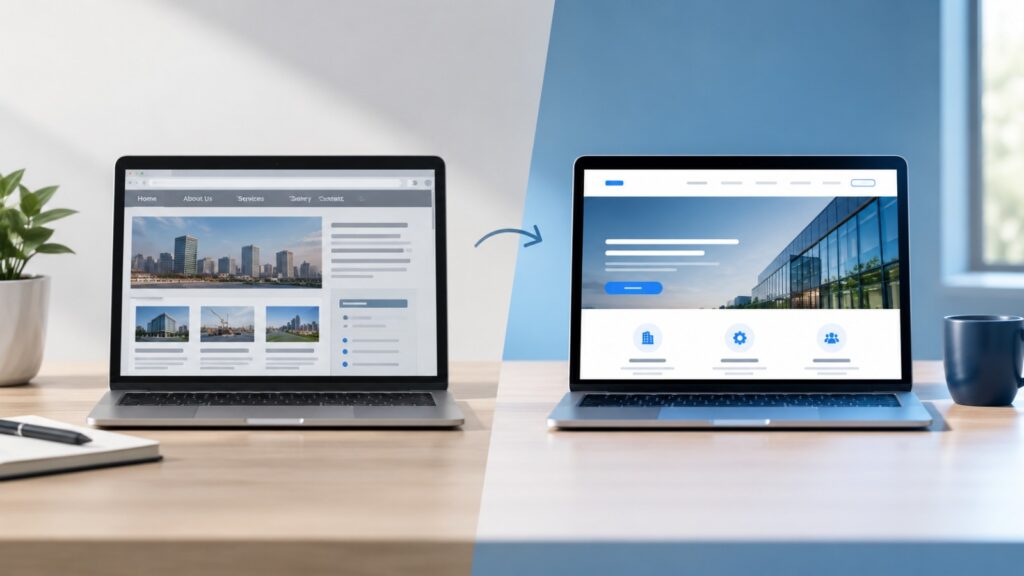
Your website is the foundation of your digital marketing strategy. It gives potential customers a place to explore your services, evaluate your business, and contact you.
A well-designed small business website should explain what you offer without making visitors search for basic information.
Important website elements include:
- A clear homepage explaining your business and services.
- Individual service or product pages.
- Mobile-friendly layouts and simple navigation.
- Customer testimonials and relevant project examples.
- Visible contact details and inquiry forms.
- Clear calls to action throughout important pages.
Website speed and technical performance matter, too. Slow pages, broken links, and confusing navigation create unnecessary barriers.
Your website should support the action that matters most to your business, whether that’s requesting a quote, booking an appointment, calling your office, or placing an order.
CoPixels Media provides web design services that help businesses build professional websites with clear structure, responsive layouts, and customer-focused functionality.
4. Use SEO to Attract Customers Through Search Engines
Search engine optimization helps your business appear when potential customers search for relevant products and services.
Unlike paid advertising, organic SEO focuses on earning visibility through useful content, relevant website structure, technical performance, and authority.
A practical SEO strategy includes keyword research, search intent analysis, on-page optimization, technical SEO, and local search optimization.
For example, a Connecticut contractor may target searches related to roofing services, home renovations, or local construction companies. A restaurant may create pages around its cuisine, location, and online ordering options.
Each important service should have a dedicated page that explains the offering and answers customer questions.
Local businesses should pay particular attention to Google Business Profile optimization. Keep business information accurate, select relevant categories, upload genuine photos, respond to reviews, and maintain updated operating hours.
Local citations and consistent business details across directories help reinforce your online presence.
SEO takes ongoing work, but it creates opportunities to attract people who are already searching for what your business offers.
5. Develop a Consistent Social Media Marketing Strategy
Social media gives small businesses a way to communicate with customers, showcase their work, and build brand recognition.
The goal isn’t to publish something every day without a plan. Each post should serve a purpose.
A useful social media strategy combines different content types, such as educational posts, product demonstrations, customer experiences, service highlights, behind-the-scenes updates, and promotional offers.
A contractor can share completed projects and renovation tips. A restaurant can publish menu highlights, food photography, and customer reviews. A retail store can introduce new products and explain their uses.
Choose platforms based on where your target customers spend time. Facebook and Instagram work well for many local businesses, while LinkedIn is useful for companies targeting professional and B2B audiences.
Maintain consistent branding, use clear captions, and include relevant calls to action. Track engagement and website visits to understand which content attracts meaningful attention.
6. Invest in Content Marketing
Content marketing helps potential customers understand your products and services before they make a purchasing decision.
Useful content answers real questions, explains common problems, and gives readers practical information.
Small businesses can create:
- Educational blog articles.
- Detailed service pages.
- Frequently asked questions.
- Product guides and comparisons.
- Short instructional videos.
- Customer case studies.
For example, a roofing company can publish guides about explaining roof replacement costs. A restaurant can create guides about its menu and ordering options. A digital marketing agency can explain local SEO and website conversion strategies.
Start with topics connected to your core services. Research the questions customers ask, identify relevant search terms, and organize content around related subjects.
Content should provide genuine value rather than repeat keywords. A well-developed article can support search visibility, strengthen topical relevance, and help customers understand your expertise.
7. Use Paid Advertising to Reach Potential Customers
SEO and content marketing support long-term visibility, while paid advertising gives businesses another way to reach customers through targeted campaigns.
Google Ads can place your business in front of people searching for relevant services. Social media advertising can introduce your products or services to selected audiences based on location, interests, and other targeting options.
For Google Ads, our guide on how to use location targeting for Connecticut-based ads shows how to limit your ads to the towns you serve.
For example, a local home improvement company can run Google Ads for specific services within its service area. A restaurant can promote online ordering or a special menu through Facebook and Instagram campaigns.
Start with a defined campaign goal and a manageable budget. Choose relevant keywords or audiences, create focused landing pages, and track conversions.
Don’t measure advertising success through clicks alone. Review qualified leads, completed purchases, cost per acquisition, and actual revenue.
8. Combine Email Marketing with Your Other Channels
Email marketing helps businesses stay connected with people who have already shown interest in their products or services.
A small business can use email to share promotions, product updates, helpful resources, appointment reminders, and seasonal offers.
For example, a restaurant can send menu updates and special offers to customers who have opted in. An ecommerce store can share new product announcements and relevant promotions.
Keep messages useful and relevant. Segment subscribers based on their interests or customer history when possible.
Use clear subject lines, simple layouts, and one main call to action. Always follow applicable email marketing and consent requirements, including CAN-SPAM rules for commercial email in the USA.
9. Track Marketing Performance and Improve Your Strategy
A digital marketing strategy needs regular measurement. Without tracking, you won’t know which activities bring visitors, generate leads, or produce sales.
Google Analytics 4 helps businesses understand website traffic, user behavior, and important events. Google Search Console provides information about search queries, clicks, impressions, and website indexing.
For paid campaigns, review advertising dashboards and conversion data. For local businesses, monitor Google Business Profile performance and customer inquiries.
Focus on metrics connected to your business goals.
| Marketing channel | Important metrics |
|---|---|
| SEO | Organic clicks, impressions, rankings, and conversions |
| Website | Conversion rate, engagement, and inquiry submissions |
| Social media | Engagement, reach, profile visits, and website clicks |
| Google Ads | Cost per click, conversions, and cost per lead |
| Email marketing | Click rate, conversions, and unsubscribe rate |
| Local SEO | Local search visibility, calls, and direction requests |
Review performance monthly and identify areas that need improvement. A page receiving traffic but generating few inquiries may need clearer messaging or a stronger call to action.
10. Create a Practical Digital Marketing Budget
Small businesses don’t need to spend heavily across every marketing channel. The right budget depends on business goals, competition, resources, and customer acquisition costs.
Your budget may cover website development, SEO services, content creation, social media management, paid advertisements, and marketing tools.
Separate one-time costs from ongoing expenses. Website development is often a project-based investment, while SEO, advertising, and content marketing require continued attention.
Start with the channels most closely connected to your business goals. Track the return on your marketing investment and adjust spending based on actual performance.
A smaller, well-managed marketing budget can produce more value than spreading limited resources across too many platforms.
A Simple Digital Marketing Plan for Small Businesses
Putting every marketing activity into action at once can become difficult. A structured 90-day plan gives your business a manageable starting point.
| Timeline | Main activities | Expected focus |
|---|---|---|
| Month 1 | Website review, audience research, keyword research, Google Business Profile updates | Build a strong foundation |
| Month 2 | Publish service content, improve SEO, launch social media content, prepare advertising campaigns | Increase visibility |
| Month 3 | Run targeted ads, review analytics, improve landing pages, evaluate leads | Measure and improve results |
This is a starting framework, not a fixed schedule. Businesses with existing websites and marketing campaigns may move directly into optimization and performance improvements.
The important part is maintaining a clear connection between each activity and your business objectives.
Why Choose CoPixels Media for Small Business Digital Marketing?
A successful digital marketing strategy needs more than separate services working independently. Your website, SEO, advertising, and social media should support the same business goals.
CoPixels Media is a digital marketing and web design agency based in Bristol, Connecticut. The company provides digital marketing services, including SEO, web design, Google Ads, social media marketing, content marketing, and mobile app development.
This combination helps businesses connect their online presence with customer acquisition.
Whether your business needs a new website, stronger local search visibility, better content, or targeted advertising, CoPixels Media develops marketing solutions around your services and audience.
Instead of investing in random marketing activities, build a strategy that gives every channel a clear purpose.
Build a Digital Marketing Strategy That Brings Results
Small business marketing works best when every activity supports a defined objective. A professional website creates a strong foundation, SEO attracts relevant search traffic, social media builds awareness, and paid advertising helps reach potential customers.
The next step is understanding which channels matter most to your audience and developing a plan that fits your budget.
CoPixels Media helps small businesses strengthen their online presence through website design, SEO, and digital marketing services.
Ready to improve your marketing strategy? Contact CoPixels Media for a free SEO and Google Business Profile audit. Call (203) 706-6873 or visit CoPixels.com to discuss your business goals.
FAQs
What is a digital marketing strategy for a small business?
It’s a plan that connects your website, SEO, social media, content, and advertising with specific business goals such as leads, sales, and brand awareness.
Which digital marketing channel is best for small businesses?
The right channel depends on your audience and goals. SEO, Google Ads, social media, and email marketing each serve different purposes.
How much should a small business spend on digital marketing?
Your budget depends on competition, marketing goals, and available resources. Start with priority channels and increase spending based on measurable results.
How long does digital marketing take to show results?
Paid advertising can generate visibility quickly, while SEO and content marketing generally require consistent work over several months.
Does every small business need a website?
A website gives customers a central place to explore services, check business information, and contact your company. It also supports SEO and advertising campaigns.




No comment