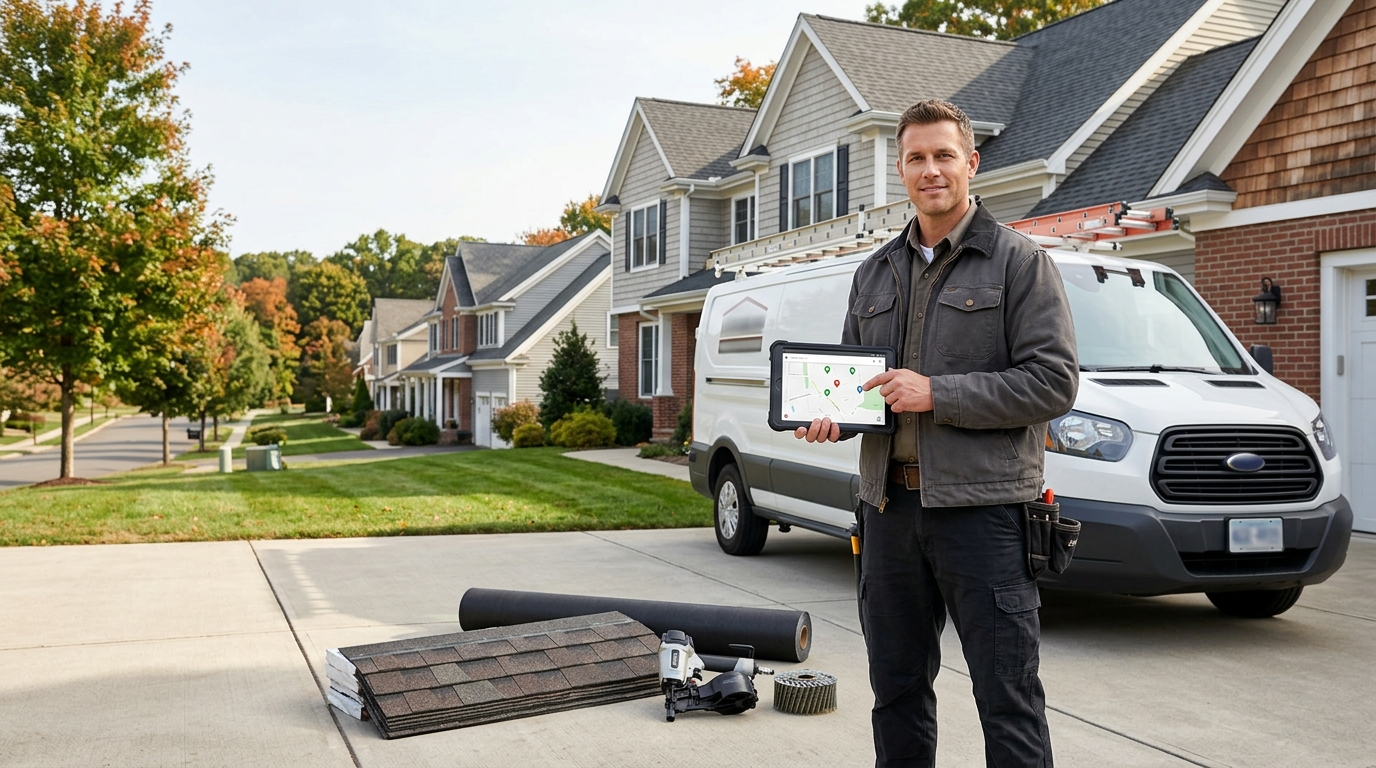
Local SEO for contractors helps Connecticut home service businesses appear when homeowners search Google for nearby professionals. Searches such as “roofer near me,” “plumber in Hartford,” and “HVAC repair in Bristol” show that a customer needs a specific service in a specific area. A strong local SEO strategy connects those searches with your business through Google Business Profile optimization, service pages, customer reviews, local content, and website improvements.
For contractors, visibility needs to lead somewhere. A homeowner searching for an emergency plumber wants a clear way to call. Someone planning a kitchen remodel wants to see completed projects, understand the service, and request an estimate. Your online presence should answer those needs before a competitor gets the inquiry.
CoPixels helps Connecticut businesses strengthen their local search presence through SEO, website development, Google Business Profile management, and digital marketing. For contractors serving Bristol, Hartford, Waterbury, New Britain, Southington, and nearby communities, the goal is to attract relevant local traffic and turn it into real business opportunities.
What Is Local SEO for Contractors?
Local SEO for contractors is the process of improving a contracting business’s visibility in geographically relevant Google Search and Google Maps results. It helps homeowners find service providers who work in their area and offer the work they need.
Unlike broad SEO, local SEO focuses on the relationship between a service, a business, and a location. A roofing company may target searches for roof replacement in Hartford County. An electrician may focus on electrical repairs in Bristol and New Britain. An HVAC company may build visibility for heating installation, AC repair, and seasonal maintenance across its actual service area.
A contractor’s local SEO strategy includes Google Business Profile optimization, location-relevant website content, technical SEO, customer reviews, local citations, and relevant backlinks. Each element helps customers and search engines understand the business.
The aim is not to rank for every search across Connecticut. It is to reach people searching for services the contractor genuinely provides in locations the company can serve.
Why Is Local SEO Important for Connecticut Contractors?
Local SEO helps contractors get discovered beyond referrals, repeat customers, and paid advertising. It gives homeowners another way to find a business when they are ready to compare providers or request a quote.
Connecticut’s home service market includes plumbers, electricians, roofers, general contractors, remodelers, landscapers, HVAC technicians, painters, and other trades. Homeowners have different needs, budgets, and timelines. Some need urgent repairs. Others are comparing contractors for a larger renovation.
Local search helps connect these customers with relevant businesses. A homeowner in West Hartford searching for a bathroom remodeler needs different information from someone in Waterbury looking for a leaking pipe repair.
A well-planned local SEO strategy helps your business:
- Appear for relevant service and location searches.
- Build trust through accurate business information and genuine reviews.
- Showcase completed projects and areas of expertise.
- Generate calls, estimate requests, and contact form submissions.
- Build a website that supports long-term organic visibility.
Local SEO does not guarantee a particular ranking or number of leads. Results depend on competition, location, service demand, your existing online presence, and the quality of your strategy.
How Do Contractors Rank Higher in Local Search?
Contractors improve local search visibility by aligning their Google Business Profile, website, service information, reputation, and local relevance. The strongest strategy addresses these areas together rather than treating each one as an isolated task.
1. Optimize Your Google Business Profile
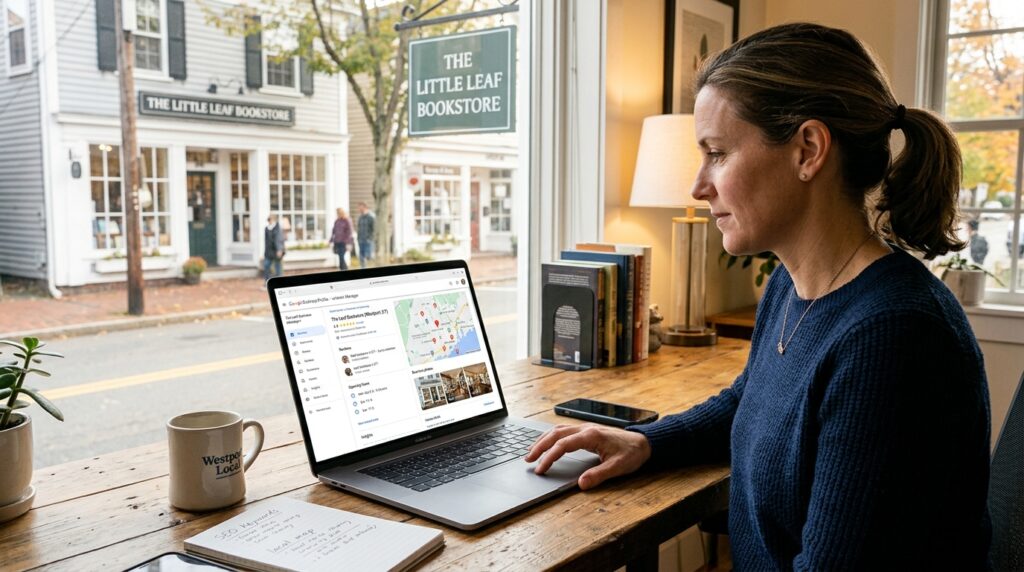
Your Google Business Profile is a major part of your local search presence. It displays important information about your business in Google Search and Google Maps, including your contact details, hours, reviews, photos, and service information.
Start by claiming and verifying your eligible profile. Use your real business name, accurate contact information, and the most relevant primary business category. Add secondary categories only when they accurately describe your services.
List the services you actually provide. A roofing contractor, for example, can describe roof repairs, roof replacement, inspections, and other genuine offerings. Upload photos of completed projects, your team, equipment, and work vehicles when appropriate.
Contractors who travel to customers should configure their service-area settings according to Google’s guidelines. A business that does not receive customers at its address should hide that address on its profile. Do not create extra profiles for individual towns or use a virtual office to appear local.
Keep the profile updated when business hours, contact information, or services change. Accurate information helps customers contact the right business and supports a trustworthy online presence.
2. Target the Services Homeowners Actually Search For
Keyword research helps contractors understand how potential customers describe their problems and the services they need. These searches should guide your website structure and content plan.
A plumbing company should not rely on one general page to cover every service. Plumbing repair, drain cleaning, water heater installation, sewer line repair, and emergency plumbing have different search intent.
The same applies to other trades. Roofing searches can involve roof repair, roof replacement, storm damage, and roof inspections. HVAC searches can involve AC repair, furnace installation, heat pump maintenance, and emergency heating service.
Build a clear page for each important service when there is enough distinct information to justify it. Explain the problem, what the service includes, how the process works, and how customers can request an estimate.
Use natural phrases in page titles, headings, copy, and internal links. Avoid repeating the same keyword in every paragraph. Clear service information matters more than keyword density.
3. Create Useful Location Pages for Your Connecticut Service Areas
Location pages help contractors explain where they work and how their services meet local needs. They should provide genuine value rather than repeat a template with a different town name.
For example, a remodeling company that works throughout Hartford County may need dedicated pages for its primary markets. A page targeting West Hartford can explain relevant remodeling services, show actual projects completed in the area, and answer common homeowner questions.
Useful location pages include specific service information, authentic project examples, customer testimonials where permission has been obtained, relevant local details, and clear contact options.
Connecticut towns such as Bristol, Hartford, Southington, New Britain, Farmington, Waterbury, and West Hartford may be relevant depending on your business’s actual coverage.
Do not create dozens of near-identical pages just to target every town. Thin location pages add little value and can weaken the quality of your website. Focus on the markets you can serve well and create content that reflects real experience.
4. Build Trust With Genuine Customer Reviews
Homeowners want evidence that a contractor communicates clearly, completes quality work, and treats customers fairly. Reviews help prospective customers evaluate those factors before making contact.
Ask customers for honest feedback after a completed job. Make the request part of your normal follow-up process rather than waiting for customers to leave reviews on their own.
Respond to reviews in a professional tone. Thank customers for positive feedback. Address complaints respectfully and take detailed service issues offline when personal information or a longer discussion is needed.
Never buy reviews, create fake customer accounts, or offer rewards in exchange for positive ratings. These tactics undermine trust and can violate Google’s policies.
Reviews support reputation and can contribute to local prominence. However, a high review count alone does not guarantee a top position in Google Maps.
5. Keep Your Business Information Consistent
Consistent business information helps customers and search engines identify your company across the web. Your business name, address where publicly eligible, and phone number should match across important online listings.
Review your Google Business Profile, website, Bing Places, Yelp, and relevant industry directories. Correct outdated phone numbers, old addresses, duplicate listings, and inconsistent business names.
Local citations can reinforce your business identity. For contractors, relevant trade associations, supplier directories, local business organizations, and established directories can provide useful references when the listing is accurate and appropriate.
Do not submit your business to every directory available. Prioritize trustworthy sources that fit your industry and service area.
6. Show Real Projects and Demonstrate Your Expertise
Contracting is a trust-based purchase. Homeowners want to see evidence that a business understands the work and has experience delivering it.
Use your website to show completed projects, before-and-after photos, project descriptions, and details about the services provided. A remodeling portfolio can explain the scope of a kitchen renovation. A roofing project page can describe the roof replacement process and materials used.
Include relevant context without revealing private customer information. Obtain permission before publishing identifiable property details or customer photographs.
Project pages help potential customers assess your work. They also give your website original content that generic contractor pages lack.
For stronger topical authority, publish helpful content around your core services. A roofer can explain the difference between roof repair and replacement. An HVAC company can cover signs of furnace failure and the role of routine maintenance. A plumber can explain when a water heater needs repair or replacement.
These articles support the main service pages through relevant internal links. They answer customer questions while showing how your services relate to broader home maintenance needs.
7. Improve Technical SEO and Mobile Usability
Your website needs to help visitors find information and contact you without frustration. Technical problems can interfere with search engine crawling, indexing, and the user experience.
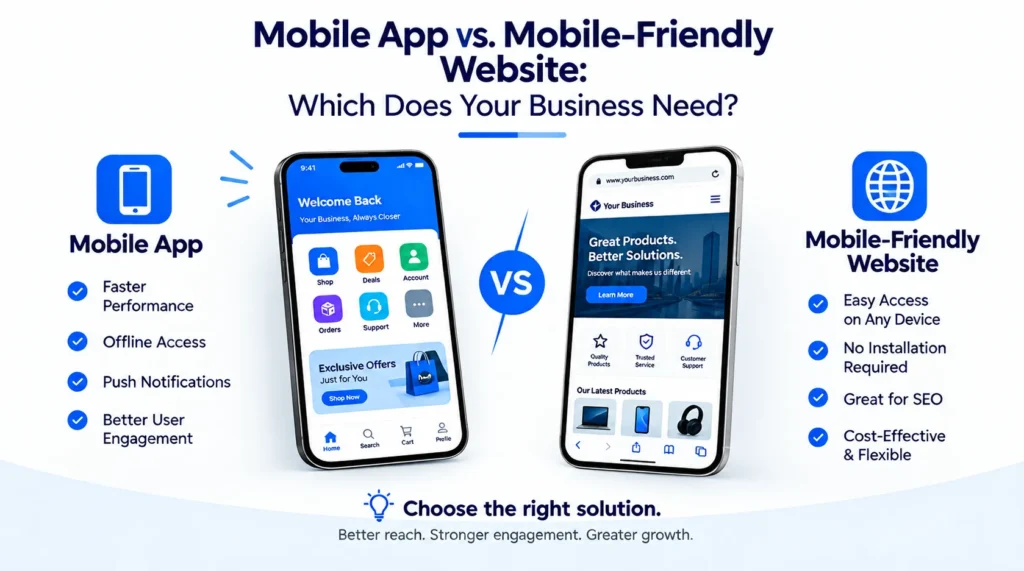
Check that important pages are indexable, internal links work, page titles are descriptive, and the website uses HTTPS. Review mobile usability, loading performance, image sizes, and navigation.
Most local service inquiries begin with a practical need. A homeowner should be able to find your phone number, service area, and estimate request form without digging through several pages.
Add relevant structured data, such as LocalBusiness or an appropriate business subtype, when it accurately represents your company. Structured data helps search engines interpret information, but it does not guarantee a ranking boost or rich result.
Your website should also use clear calls to action. “Request a Roofing Estimate” communicates the next step more clearly than a generic button that says “Submit.”
8. Earn Relevant Local Backlinks
Backlinks are links from other websites to yours. Relevant, trustworthy links help search engines discover your content and can contribute to your website’s authority.
Contractors can earn useful links through local partnerships, trade associations, supplier relationships, community sponsorships, industry publications, and legitimate project features.
For example, a local home improvement organization may publish a directory of qualified members. A supplier may feature a contractor’s completed project. A community organization may recognize a business that supported a local event.
Focus on links that make sense for your business and audience. Avoid paid link schemes, automated link building, and unrelated websites created only to manipulate rankings.
A smaller number of relevant, credible links is more valuable than a large collection of low-quality links.
9. Measure Calls, Form Submissions, and Qualified Leads
Local SEO performance should be evaluated by customer actions, not rankings alone. A page that attracts traffic but generates no relevant inquiries needs a closer look.
Use Google Search Console to review search queries, impressions, clicks, and organic search performance. Google Analytics can help you understand website engagement and track conversions when configured correctly. Google Business Profile performance data can provide additional insight into available customer interactions.
Call tracking and form tracking help connect marketing activity with inquiries. Your reporting should distinguish between total calls, qualified leads, booked estimates, and completed jobs whenever possible.
Review the results by service and location. You may find that roof replacement pages attract more valuable inquiries than general roofing content, or that one town produces stronger leads than another.
Use these findings to prioritize content updates, technical fixes, and future marketing activity. Local SEO becomes more useful when it supports business decisions.
What Local SEO Mistakes Should Connecticut Contractors Avoid?
Contractors should avoid fake reviews, keyword-stuffed business names, duplicate profiles, thin location pages, inaccurate service areas, and unsupported marketing claims. These shortcuts create risk without building a reliable online presence.
A common mistake is creating one page for every town using almost identical content. Another is relying entirely on a Google Business Profile while leaving the website without dedicated service pages.
Some businesses focus on rankings without checking whether the website converts visitors into inquiries. Others publish project photos without explaining the service, location, or work completed.
The solution is to build a connected strategy. Keep business information accurate, create useful pages, earn genuine reviews, demonstrate real expertise, and measure customer actions. Avoid promising guaranteed rankings because no agency controls Google’s organic results.
How Can CoPixels Help Contractors With Local SEO in Connecticut?
CoPixels helps Connecticut businesses improve their online visibility through local SEO, Google Business Profile optimization, website development, content marketing, and paid search advertising.
Based in Bristol, CoPixels serves businesses across Connecticut, including Hartford, New Britain, Waterbury, Southington, Plainville, West Hartford, and Farmington. Its digital marketing services can support contractors who want to strengthen their search presence and generate more relevant inquiries.
A local SEO campaign can include an audit of your website and Google Business Profile, keyword research, service-page improvements, location-focused content, technical SEO, and conversion tracking. The work is prioritized around your business goals, target services, and actual service area.
For contractors, the strategy should reflect the jobs you want to win. A roofing company needs different content from a plumbing business. A remodeling contractor has different customer questions from an HVAC technician. CoPixels can help align your website and search strategy with those differences.
The focus is on clear work and measurable business outcomes, including qualified inquiries, calls, estimate requests, and website conversions.
Get More Local Visibility for Your Contracting Business
Homeowners are already searching online for contractors and home service professionals across Connecticut. Your business needs a clear, trustworthy presence when those searches happen.
CoPixels can help identify gaps in your Google Business Profile, service pages, technical SEO, and local content strategy. A focused plan gives your business a practical starting point for improving visibility and attracting more relevant leads.
Request a free SEO and Google Business Profile audit from CoPixels. Find out what is holding back your local search presence and which improvements deserve attention first.
Visit CoPixels or call (203) 706-6873 to discuss local SEO for your Connecticut contracting business.
Frequently Asked Questions
1. How does local SEO help contractors get more customers?
Local SEO helps contractors appear for relevant service and location searches. An optimized Google Business Profile, useful service pages, genuine reviews, and clear contact options help turn local searchers into inquiries.
2. How long does local SEO take to work for a contracting business?
The timeline depends on competition, website quality, service demand, and the work required. Some improvements make business information more useful right away, while organic ranking and lead growth require ongoing effort.
3. Do contractors need a Google Business Profile to rank locally?
An eligible Google Business Profile is an important part of local search visibility, especially on Google Maps. Contractors should keep it accurate and follow Google’s rules for storefront and service-area businesses.
4. Should contractors create a separate page for every Connecticut town they serve?
No. Create dedicated location pages when each page can offer useful, distinct information. Repeating nearly identical content across many town pages adds little value and can create SEO problems.
5. How can CoPixels help with local SEO for contractors in Connecticut?
CoPixels offers local SEO, Google Business Profile optimization, website development, content marketing, and digital marketing services. The strategy can focus on relevant service searches, local visibility, and qualified lead generation.